TMS: A Modern Approach to Treating Depression
Transcranial Magnetic Stimulation (TMS) is an evidence-based, non-invasive treatment for depression that is transforming how we approach mental health care—particularly for individuals who haven’t responded to traditional treatments.
At Mind and Memory, we believe in offering treatments grounded in science, while also staying informed about emerging innovations. This article explains what TMS is, how it works, what the research says, and where the field is heading.
What is TMS?
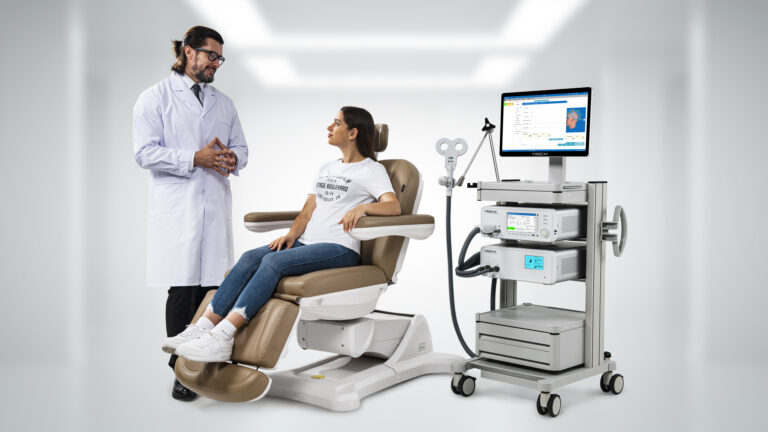
TMS is a non-invasive brain stimulation therapy that uses targeted magnetic pulses to stimulate specific areas of the brain involved in mood regulation—most commonly the left dorsolateral prefrontal cortex.
Unlike medications, which affect the entire brain, TMS is highly targeted. And unlike electroconvulsive therapy (ECT), it:
- Does not require anaesthesia
- Does not induce seizures
- Has a favourable side effect profile
Treatment is typically delivered in short daily sessions over several weeks.
Who is TMS for?
TMS is most commonly used for:
- Major Depressive Disorder
- Treatment-resistant depression (where medications and/or therapy haven’t been effective)
It is particularly valuable for patients who:
- Have experienced limited benefit from antidepressants
- Cannot tolerate medication side effects
- Prefer a non-pharmacological option
What Does the Research Say?
Strong Evidence for Depression
TMS is now widely recognised as a safe and effective treatment for depression, supported by international clinical consensus guidelines.1
- Response rates are typically reported in the range of 50–60%, with 30–35% achieving remission.2
- Large reviews confirm that repetitive TMS (rTMS) significantly improves depressive symptoms compared to sham (placebo) treatments.3
More recent research has focused on optimising how TMS is delivered:
- A 2024 meta-analysis found that accelerated TMS protocols (multiple sessions per day) can rapidly reduce depressive symptoms, with potential longer-term benefits.4
- Newer protocols such as intermittent theta burst stimulation (iTBS) appear to be as effective as standard TMS, while being delivered in a much shorter time.1
Overall, the evidence base for TMS in depression is now robust, and it is considered a standard treatment option in many clinical guidelines worldwide.
What is Treatment Like?
A typical course of TMS involves:
- Sessions 5 days per week
- Over 4–6 weeks
- Each session lasting 20–30 minutes depending on the protocol
Patients remain awake and alert during treatment and can return to normal activities immediately afterward.
Common side effects are generally mild and may include:
- Scalp discomfort
- Headache
Serious side effects are rare.
Beyond Depression: Where is TMS Being Used?
TMS is already used clinically (in various jurisdictions) for:
- Obsessive-Compulsive Disorder (OCD)
- Smoking cessation
There is also growing evidence supporting its use in:
- Bipolar depression
- Substance use disorders
- Certain neurological conditions
For example, a 2024 systematic review of deep TMS found positive effects across multiple conditions, including depression, OCD, and substance use disorders.5
Emerging and Experimental Uses
TMS is an active area of research, with several promising—but still emerging—applications. These are not yet standard clinical treatments and are generally limited to research settings.
Personalised and Precision TMS
Researchers are exploring MRI-guided targeting and individualised treatment protocols to improve outcomes.
Accelerated and Intensive Protocols
Delivering multiple sessions per day (sometimes over just a few days) may significantly shorten treatment duration while maintaining effectiveness.
Cognitive and Neurocircuit-Based Applications
TMS is being studied as a way to directly modulate brain circuits involved in:
- Cognitive control
- Emotional regulation
This may lead to more targeted treatments based on individual brain function.
New Populations and Indications
Early research is investigating TMS for:
- PTSD
- Anxiety disorders
- Youth depression (with caution and ongoing trials)
- Neurodegenerative conditions
These applications remain under investigation and require further high-quality trials before routine clinical use.
The Future of Mental Health Treatment
TMS represents a broader shift in psychiatry—from symptom-based treatment toward brain-based, personalised care.
With ongoing advances in:
- Neuroimaging
- Treatment protocols
- Precision targeting
TMS is likely to become even more effective, efficient, and tailored to individual patients.
Is TMS Right for You?
TMS is not a first-line treatment for everyone—but for many people, particularly those with treatment-resistant depression, it can be life-changing.
If you’re considering TMS, a comprehensive assessment with a qualified mental health professional is essential to determine whether it’s appropriate for your individual situation.
Final Thoughts
TMS is one of the most significant developments in modern psychiatry offering a non-invasive, evidence-based alternative for individuals who haven’t found relief with traditional treatments.
As research continues to evolve, it also holds promise for a wider range of conditions, signalling a future where mental health care is more targeted, personalised, and effective.
If you are interested in learning more visit our TMS Treatment page.
Note: This blog post is for informational purposes and is not a substitute for professional medical advice.